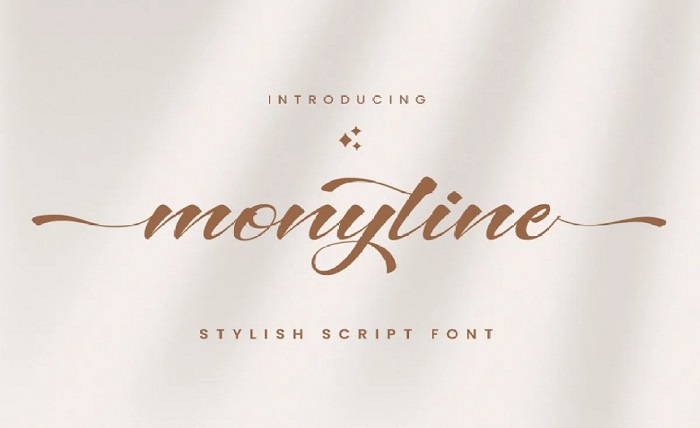
The concept of yazı tipi refers to the style and design of written characters used in digital and printed text, and understanding yazı tipi is essential in modern communication and design. A yazı tipi is not just a visual element but a powerful tool that shapes how readers perceive and interpret content. Whether in books, websites, advertisements, or social media, the choice of yazı tipi can influence readability, emotion, and engagement. Designers carefully select yazı tipi to ensure that messages are delivered clearly and effectively, making it a fundamental part of visual communication.
Another important aspect of yazı tipi is its role in branding and identity. Companies often use a specific yazı tipi to create a recognizable visual style that sets them apart from competitors. For example, a luxury brand may choose an elegant yazı tipi, while a tech company may prefer a modern and minimalist one. This shows that yazı tipi is not just about aesthetics but also about communication strategy and emotional impact.
The History and Evolution of Yazı Tipi
The history of yazı tipi dates back to ancient writing systems, where early forms of typography were carved into stone or written on parchment. Over time, the development of printing technology revolutionized yazı tipi, especially with the invention of the printing press. This allowed standardized yazı tipi designs to be mass-produced, making written communication more accessible and consistent across different regions.
In the digital age, yazı tipi has evolved dramatically with the rise of computers and design software. Today, thousands of digital yazı tipi styles are available, ranging from classic serif fonts to modern sans-serif and decorative scripts. This evolution of yazı tipi has given designers unlimited creative freedom, allowing them to match typography with the tone and purpose of any content.
Different Types of Yazı Tipi
There are several categories of yazı tipi, each serving a unique purpose in design and communication. The most common type of yazı tipi is serif, which features small decorative lines at the ends of letters and is often used in print media like books and newspapers. Another popular yazı tipi category is sans-serif, known for its clean and modern appearance, making it ideal for digital screens and websites.
In addition to serif and sans-serif, there are also script and decorative yazı tipi styles. Script yazı tipi resembles handwritten text and is often used for invitations or artistic designs, while decorative yazı tipi is highly stylized and used for attention-grabbing headlines. Each yazı tipi category serves a specific function, and choosing the right one can significantly enhance the effectiveness of a design.
Psychological Impact of Yazı Tipi
The psychological effect of yazı tipi is often underestimated, but it plays a crucial role in how people interpret messages. A bold and strong yazı tipi can create a sense of confidence and authority, while a soft and rounded yazı tipi may evoke friendliness and warmth. Designers use yazı tipi strategically to influence emotions and guide user perception.
Research shows that yazı tipi can even affect trust and credibility. For example, a poorly chosen yazı tipi may make content appear unprofessional, while a well-selected yazı tipi can increase engagement and readability. This psychological influence makes yazı tipi a powerful tool in marketing, advertising, and user experience design.
Yazı Tipi in Web Design and User Experience
In modern web design, yazı tipi plays a critical role in user experience and accessibility. A well-chosen yazı tipi ensures that website content is easy to read on different devices, including smartphones, tablets, and desktops. Web designers carefully test yazı tipi styles to ensure clarity, responsiveness, and visual harmony across platforms.
Another important factor in web design is loading speed, and lightweight yazı tipi files help improve website performance. Additionally, consistent use of yazı tipi across headings, paragraphs, and buttons creates a structured and professional look. This shows that yazı tipi is not just decorative but also functional in digital environments.
Yazı Tipi in Branding and Marketing
Brand identity heavily depends on the selection of yazı tipi, as it helps communicate a company’s personality and values. A strong and consistent yazı tipi across all marketing materials builds recognition and trust among customers. Many global brands are instantly recognizable just by their unique yazı tipi style.
In advertising, yazı tipi is used to capture attention and convey messages quickly. Whether it’s a billboard, social media post, or product packaging, the right yazı tipi can make a brand stand out in a crowded marketplace. Marketers carefully choose yazı tipi combinations to balance creativity and readability.
How to Choose the Right Yazı Tipi
Choosing the right yazı tipi depends on the purpose, audience, and medium of the content. For professional documents, a clean and simple yazı tipi is usually preferred, while creative projects may benefit from more expressive styles. Understanding the context is key when selecting a yazı tipi that enhances communication.
Another important factor is readability. A good yazı tipi should be easy to read across different screen sizes and lighting conditions. Designers often test multiple yazı tipi options before finalizing a design to ensure maximum clarity and visual appeal. This careful selection process highlights the importance of yazı tipi in effective communication.
Conclusion
In conclusion, yazı tipi is far more than just a visual design element—it is a powerful communication tool that influences readability, emotion, branding, and user experience. From its historical origins to its modern digital applications, yazı tipi continues to play a vital role in how we consume and interact with information. Whether in web design, marketing, or everyday communication, choosing the right yazı tipi can make a significant difference in how a message is perceived and understood.
FAQs
1. What does yazı tipi mean?
yazı tipi means font or typeface, referring to the style of written characters used in design and communication.
2. Why is yazı tipi important in design?
yazı tipi is important because it affects readability, emotional impact, and overall visual communication.
3. What are the main types of yazı tipi?
The main yazı tipi categories include serif, sans-serif, script, and decorative styles.
4. How does yazı tipi affect branding?
A consistent yazı tipi helps brands build identity, recognition, and trust among their audience.
5. Can yazı tipi influence user behavior?
Yes, yazı tipi can influence emotions, readability, and engagement, affecting how users respond to content.