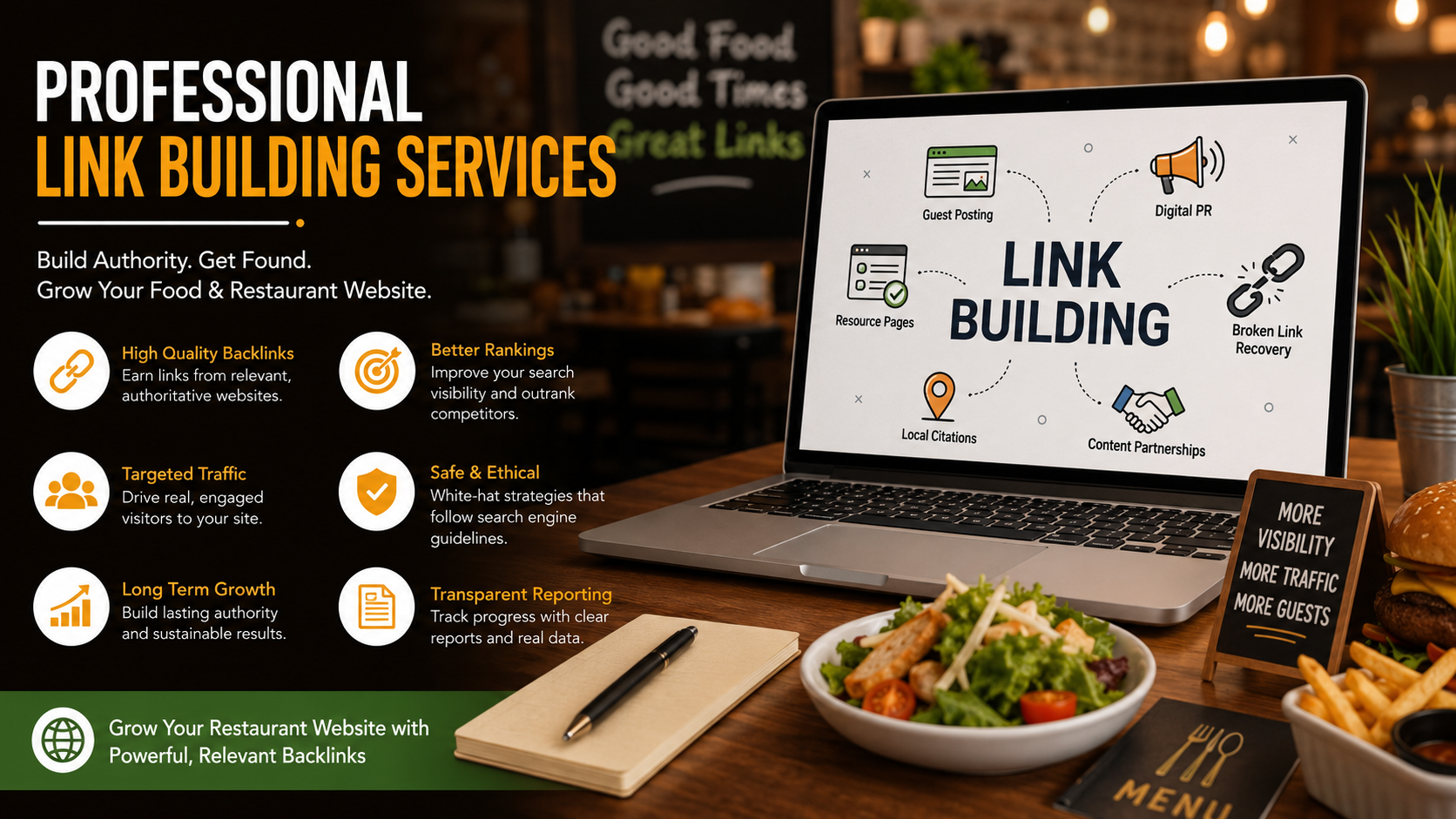
Professional link building services offer a powerful growth opportunity for zoos, wildlife parks, and tourism-focused websites that want to increase visibility among travelers, families, and nature enthusiasts searching online. Zoos and wildlife attractions occupy a unique space in the digital landscape, blending elements of tourism, education, conservation, and family entertainment, yet many still struggle to rank prominently in search results because they lack the kind of backlink authority that larger tourism boards, travel publications, and national attractions already possess. This is where a deliberate, strategic approach to earning quality backlinks becomes essential for sustained growth in visitor traffic and online engagement.
This guide explains what these services actually involve, why they matter so much for zoos and wildlife tourism websites specifically, how a typical campaign is structured, and what to look for when choosing a partner who understands the unique blend of tourism, education, and conservation content in this space. Whether you manage a large regional zoo, a smaller wildlife sanctuary, or a themed animal park, understanding how professional link building services fit into your broader marketing strategy can meaningfully increase both online visibility and in-person visitor numbers.
What Are Professional Link Building Services?
At their core, these services involve the strategic, ethical acquisition of backlinks from other relevant and reputable websites that point back to your domain. Search engines rely on these links as one of the strongest indicators of trust and authority, meaning a zoo or wildlife park website with a healthy, natural backlink profile will typically outrank competitors that lack one, even when both offer similarly engaging visitor experiences.
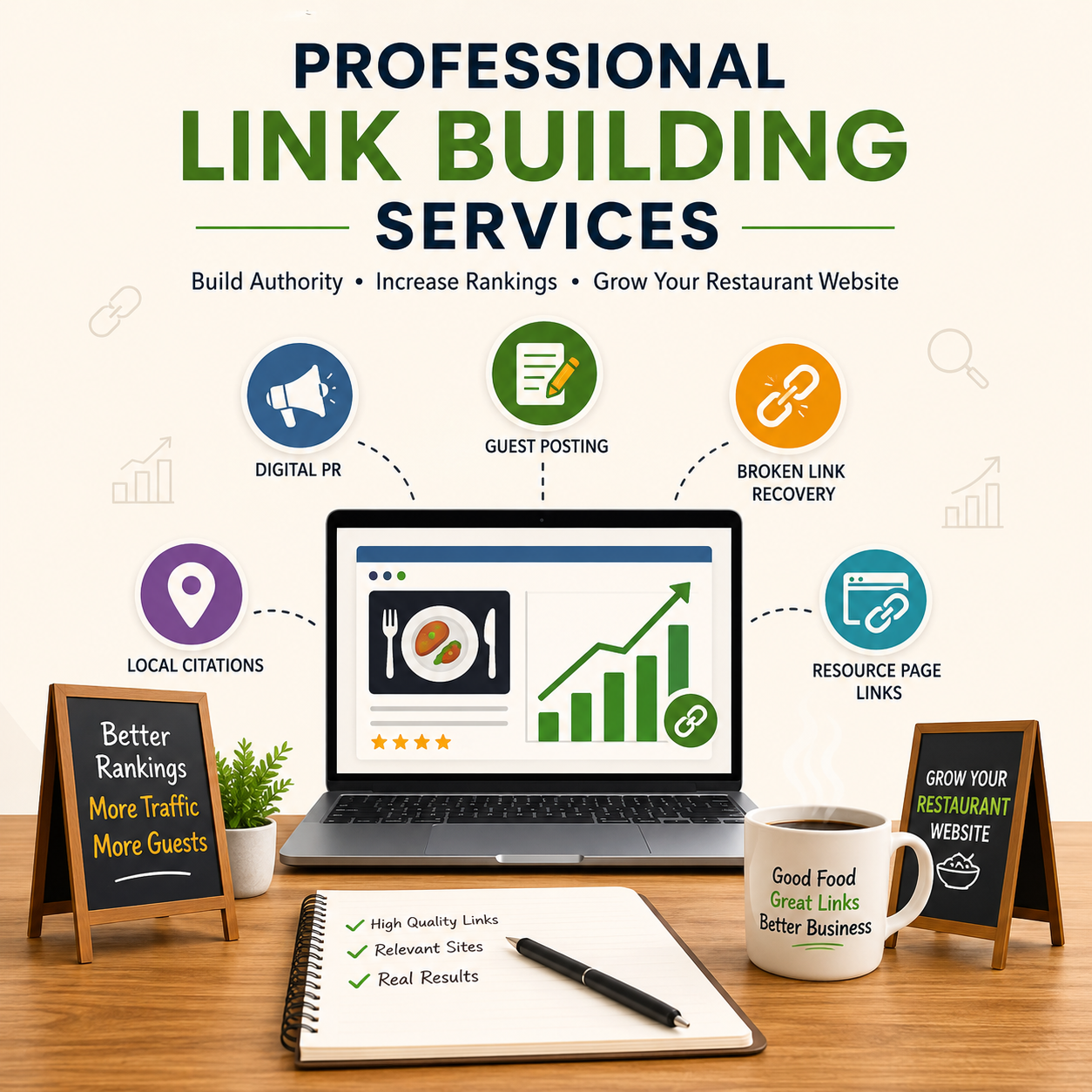
For zoos and wildlife tourism websites specifically, this often means securing mentions from travel blogs, family activity guides, educational resources covering conservation and animal science, and local tourism boards. Rather than relying on outdated shortcuts such as link exchanges or paid link networks, which can genuinely damage a website’s standing, an effective campaign focuses on genuine outreach, ethical relationship building, and content that other websites and organizations genuinely want to reference, such as conservation research, educational animal facts, or seasonal visitor guides. Professional link building services help websites earn high-quality backlinks to improve search engine rankings.
Why Zoo and Wildlife Tourism Websites Face a Unique Challenge
Zoo and wildlife park websites compete in a crowded tourism and family entertainment landscape, where major travel publications, tourism boards, and larger national attractions already dominate many relevant search results. These established platforms have spent years accumulating backlinks from travel media, educational institutions, and government tourism resources. For a smaller or regional zoo to gain meaningful visibility, it needs more than an appealing website and engaging animal exhibits. Many digital marketing agencies include professional link building services as a core part of their SEO strategies.
This is exactly why professional link building services matter so much for websites in this space. A well-executed campaign can help a zoo or wildlife park earn backlinks from travel and family lifestyle blogs, educational institutions referencing conservation work, local tourism boards, and news outlets covering animal births, conservation milestones, or seasonal events. Over time, these placements help establish a zoo as a recognized, trustworthy destination, which search engines increasingly reward with better visibility for relevant tourism and family activity searches. Securing editorial mentions on reputable travel blogs is a common tactic for professional link building services.
Core Tactics Used for Zoo and Wildlife Websites
Different tactics serve different purposes within an overall strategy, and the table below outlines the most common approaches used specifically for zoos, wildlife parks, and tourism focused websites.
A skilled team typically blends several of these tactics together, adjusting the mix based on a website’s current authority level, visitor demographics, and long term growth goals.
The Real Benefits for Zoos and Wildlife Parks
When implemented correctly, this kind of ongoing effort delivers benefits that extend well beyond simple ranking improvements. Zoo and wildlife park websites that consistently invest in earning quality backlinks tend to build stronger domain authority over time, which allows the site to rank more effectively for high-value searches related to family day trips, educational field trips, and seasonal events.
There is also a significant trust and credibility factor involved. When a zoo earns backlinks from educational institutions, conservation organizations, or respected travel publications, potential visitors naturally begin to view that attraction as a more credible, worthwhile destination. This trust translates into higher ticket sales, more school and group bookings, and a stronger overall brand reputation within the tourism and education spaces.
Working with a dedicated team also allows zoo marketing staff to focus on what matters most, promoting exhibits, events, and conservation initiatives, rather than spending significant time each week on outreach, relationship building, and link tracking.
How a Typical Campaign Is Structured
Most experienced providers begin with a comprehensive audit of your existing backlink profile alongside a competitive analysis of similar zoos and wildlife attractions, particularly those serving the same region or visitor demographic. This step reveals gaps in your current strategy and highlights opportunities competitors may have overlooked, such as unclaimed mentions on regional tourism pages or outdated broken links pointing to discontinued exhibits.
From there, outreach begins, targeting travel blogs, educational institutions, tourism boards, and family lifestyle publications that are genuinely relevant to your visitor base and have engaged, relevant audiences. The focus remains on quality over sheer quantity, since a single backlink from a respected tourism board or educational institution will typically outperform dozens of low-quality, irrelevant links combined. Throughout the campaign, regular reporting keeps marketing teams informed about secured placements, the authority of linking domains, and measurable changes in rankings and website traffic.
What to Look for When Choosing a Provider
Selecting the right partner matters enormously, since a poorly managed campaign can waste both time and budget, or in worse cases, trigger a search engine penalty that takes months to recover from. When evaluating potential providers, start by asking about their outreach process and whether they build genuine relationships with travel bloggers, educators, and tourism organizations rather than relying on automated mass emails.
Next, request examples of previous placements, ideally within the tourism, family activity, or conservation education space, since experience in a relevant niche significantly improves outreach success rates. Be cautious of any provider promising a fixed number of guaranteed links per month regardless of quality or relevance, since this often signals a volume-focused approach rather than one centered on genuine value.
Transparency remains critical throughout the entire relationship. A trustworthy provider will always disclose exactly where links are being placed, giving you the ability to verify quality and relevance yourself. Consistent, clear reporting on rankings, traffic, and overall campaign progress is equally important for understanding whether the investment is genuinely paying off for your attraction.
Understanding Cost and Long Term Value
Pricing for these campaigns varies depending on the scope of outreach, the competitiveness of the tourism niche in your region, and the authority of the target websites being pursued. Some providers charge per secured placement, while others offer monthly retainers covering outreach, seasonal event promotion, and detailed reporting. Zoos and wildlife parks should expect that citations from major tourism boards or educational institutions will cost more to secure than smaller blog mentions, since building those relationships and producing genuinely engaging conservation or educational content takes considerable time and expertise.
When assessing return on investment, it helps to think beyond immediate ranking changes. A single citation from a respected tourism publication can continue generating referral traffic and search visibility for years, particularly for evergreen content like family activity guides, meaning the long term value of professional link building services often significantly exceeds the upfront cost. Tracking metrics like organic traffic growth during peak visiting seasons, keyword ranking movement, and referral visits over a six to twelve month period typically provides the clearest picture of whether a campaign is delivering genuine, lasting results.
Mistakes Zoos and Wildlife Parks Should Avoid
One of the most common mistakes is prioritizing sheer volume of backlinks over their actual quality, relevance, and educational value. A large number of low-quality or irrelevant backlinks can genuinely harm a zoo website’s rankings, particularly since search engines apply extra scrutiny to informational accuracy in content related to conservation, animal welfare, and educational claims.
Another frequent issue involves neglecting topical relevance entirely. A backlink from a website with no connection to tourism, education, family activities, or conservation carries far less value than one from a genuinely relevant source. Site owners should also avoid treating this as a one-time project rather than an ongoing strategy, since search engine algorithms continue to evolve and competing attractions continue strengthening their own authority on a continuous basis.
Aligning Outreach with Seasonal Visitor Patterns
Zoo and wildlife park attendance typically follows predictable seasonal patterns, with peaks around school holidays, spring and summer months, and special events like new animal arrivals or themed festivals. An effective outreach calendar should be built around these patterns, securing media coverage and backlinks ahead of peak booking periods so that search visibility is already strong when families begin planning their visits. Providers experienced in the tourism and family attraction space understand this rhythm well and can time campaigns to maximize both authority building and direct visitor impact.
Frequently Asked Questions
How long does it take to see measurable results for a zoo website?
Most zoo and wildlife park websites begin noticing improvements in rankings and referral traffic within three to six months, although results can vary depending on seasonal visitor patterns and the competitiveness of the regional tourism market.
Are professional link building services safe for a zoo or wildlife attraction?
Yes, when executed ethically and in accordance with search engine guidelines, this type of work is safe and often especially beneficial for smaller or regional zoos competing against larger national attractions for visitor attention.
How many backlinks does a zoo website actually need?
There is no fixed number, since relevance and authority matter far more than raw quantity. A smaller number of highly relevant backlinks from respected tourism or educational sources will typically outperform a much larger collection of weak or unrelated links.
Can our marketing team build backlinks ourselves instead of outsourcing this work?
It is possible, but the process requires significant time for research, outreach, relationship building, and consistent follow-up, time that many zoo marketing teams would rather spend promoting exhibits, events, and conservation initiatives.
Why do zoos and wildlife parks need a different approach compared to other industries?
These attractions rely heavily on trust, educational credibility, and local relevance, meaning links from tourism boards, educational institutions, and conservation organizations tend to carry significantly more weight than generic mentions from unrelated industries.
Conclusion
For any zoo, wildlife park, or tourism-focused attraction, engaging exhibits and conservation work alone are rarely enough to achieve strong, lasting visibility in a search landscape often dominated by larger national attractions. Professional link building services provide the structured, strategic support needed to earn backlinks that build genuine authority, drive referral traffic, and establish an attraction as a trusted, credible destination for families, educators, and nature enthusiasts alike. By focusing on quality outreach, topical relevance, and ethical practices rather than shortcuts, this kind of ongoing investment allows even a smaller or regional zoo to compete effectively against larger, more established attractions, transforming steady link growth into steady, sustainable visitor growth over time.
To discover more insights and explore our full range of resources, we invite you to visit our official website: vantara-zoo.com